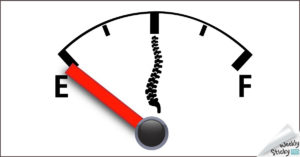
Everyone has their own internal “health gauge.”
Some days it feels full — energy is good, movement feels easy, and recovery happens without much thought.
Other days it feels like the needle is sitting closer to empty — stiffness, fatigue, or a sense that your body just isn’t quite working the way it normally does.
In a place like Rossland and Trail, where people are active year-round, that gauge tends to fluctuate more than most. Work, sport, outdoor activity, stress, and recovery all influence where that needle sits.
Your body is always giving feedback
The body doesn’t always shout when something is off.
More often, it gives subtle signals:
- Morning stiffness that lasts longer than usual
- Reduced flexibility during activity
- Slower recovery after exertion
- A general sense of “tightness” or imbalance
- Feeling like you’re not moving as freely as you should
These signals are part of how your body communicates where your current “setting” is.
Why the gauge changes
Your health gauge isn’t fixed.
It shifts based on:
- Physical load (work, sport, repetitive strain)
- Stress levels
- Sleep quality and recovery
- Previous injuries or old patterns
- Day-to-day movement habits
In an active community like Rossland and Trail, it’s normal for that needle to move up and down throughout the week or season.
When people notice the difference
Many people don’t realize how low their gauge has drifted until they start feeling better again.
Common changes people notice when things improve include:
- Easier movement in the morning
- Less stiffness during the day
- Better recovery after activity
- Feeling more “balanced” in their body
- Increased overall resilience
Often it’s not a dramatic change — it’s a gradual return to how the body should feel and function.
Where chiropractic care fits
Chiropractic care focuses on how the spine and musculoskeletal system are moving and functioning.
When joints and movement patterns are working well, the body generally adapts more efficiently to daily stress and activity.
For many people, regular care becomes part of maintaining that “healthy range” on their internal gauge — not just reacting when things feel off, but helping the body stay more consistent over time.
Why this matters in Rossland and Trail
This region naturally demands more from the body.
Skiing, biking, hiking, physical work, and seasonal changes all place varying stress on the system.
Because of that, people often notice:
- Their “good days” feel better when they’re moving well
- Their “off days” feel more limiting when stiffness builds
- Small improvements in mobility make a big difference in daily life
Staying aware of your own gauge helps you respond earlier, rather than waiting until things feel significantly restricted.
Final thought
Your body is constantly giving you information.
The goal isn’t perfection — it’s awareness.
When you understand your own “health gauge,” you’re better able to recognize when things are working well, and when a small correction or adjustment may help you move, recover, and function better in everyday life.
/